
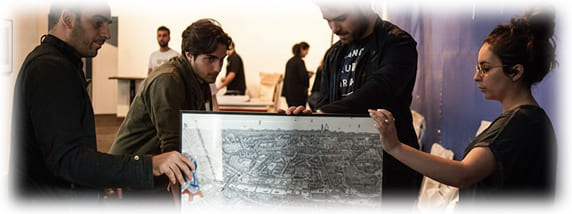
The cultural sector has undergone significant transformation in recent decades and continues to expand both economically and socially.
Encompassing fields such as:
- visual arts,
- heritage,
- performing arts,
- music,
- cinema,
- design,
- digital culture,
- and the broader creative industries,
culture now plays a central role in urban development, tourism, education, and international exchange.
As cultural projects grow in scale and complexity, the sector has become increasingly structured and specialized, generating new professional roles and career paths. Festivals, museums, cultural institutions, and independent organizations rely more than ever on highly skilled professionals to develop ambitious projects, reach diverse audiences, and respond to contemporary cultural, social, and technological challenges.
Within this evolving landscape, the role of the cultural manager has become essential. A cultural manager is a professional who combines artistic knowledge with management expertise to support the creation, production, and dissemination of cultural initiatives. Whether working with artists, institutions, or communities, cultural managers act as facilitators between creative vision and practical execution.
They contribute to shaping cultural experiences that are:
- sustainable,
- accessible,
- and meaningful,
while navigating financial, organizational, and institutional constraints. As cultural activity continues to diversify, the demand for trained cultural managers capable of leading projects and adapting to new cultural models continues to grow.
Cultural Project Managers work in diverse environments such as museums, contemporary art spaces, festivals, cultural institutions, foundations, local authorities, and creative agencies. Their mission is not only to produce cultural content but also to ensure its relevance, visibility, and impact on audiences.
Most Cultural Project Managers hold a Bachelor’s or Master’s degree in cultural management, arts administration, communication, or creative industries. Professional experience gained through internships, work-study programs, and hands-on project management is particularly valued. Schools such as IESA emphasize professional immersion and applied learning, enabling students to acquire both theoretical knowledge and practical skills aligned with the realities of the cultural sector.
Strategic and Creative Role :
At the core of the Cultural Project Manager’s profession lies the ability to conceive, structure, and implement cultural projects that respond simultaneously to:
- artistic concepts,
- institutional frameworks,
- and social relevance.
This role requires constant dialogue between creative vision and strategic decision-making. Cultural Project Managers work closely with artists, curators, directors, and cultural stakeholders to shape exhibitions, festivals, performances, and multidisciplinary programs, ensuring that each project is both intellectually coherent and operationally feasible.
They contribute to:
- defining conceptual frameworks,
- identifying target audiences,
- selecting appropriate formats,
- and translating abstract ideas into concrete cultural experiences.
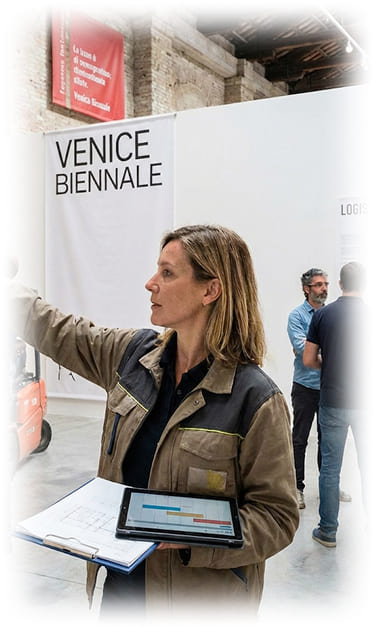
In major art institutions, this strategic and creative dimension is particularly visible. Large-scale exhibitions at venues such as Tate Modern, the Centre Pompidou, or the Venice Biennale rely on teams of Cultural Project Managers who successfully weave together curatorial concepts with technical, logistical, and audience-related considerations.
While curators such as Hans Ulrich Obrist or Carolyn Christov-Bakargiev define the intellectual direction of exhibitions, Cultural Project Managers play a crucial role in making these visions possible by managing:
- timelines,
- spatial constraints,
- production processes,
- and institutional partnerships.
Their work ensures that ambitious artistic concepts can be realized within real-world conditions.
Cultural Project Managers must also anticipate how different audiences will engage with a project. This involves adapting formats to a wide range of publics, from specialists and collectors to families, students, and international visitors. Managing an exhibition in a contemporary art museum, for example, requires balancing curatorial intent with:
- spatial design,
- technical requirements,
- conservation standards,
- and visitor flow,
while also integrating mediation tools and educational programs.
For major international events such as Documenta, Cultural Project Managers contribute to shaping experiences that are accessible, immersive, and aligned with institutional identity. Through this combination of creativity, strategy, and coordination, Cultural Project Managers act as key enablers of cultural production.
Their role extends beyond execution alone; they actively shape how culture is produced, presented, and experienced. By transforming artistic ideas into structured, engaging, and sustainable projects, they contribute to the visibility and influence of cultural institutions on both local and international stages.
From Concept to Implementation :
Once a project has been clearly defined, the Cultural Project Manager becomes responsible for overseeing its full implementation, ensuring that ideas are translated into reality with precision and coherence. This phase involves:
- detailed scheduling,
- coordination of multidisciplinary teams,
- and supervision of all logistical and technical aspects of production.
Cultural Project Managers act as central points of contact between artists, curators, technical crews, institutions, and external partners, ensuring that each contributor works toward shared objectives within established timelines.
The complexity of this role is particularly evident in large-scale or international projects, where adaptability and problem-solving skills are essential.
Cultural Project Managers must anticipate risks, respond to unforeseen challenges, and adjust plans without compromising artistic integrity.
Organizing the Venice Biennale, for instance, requires:
- coordination with national pavilions,
- management of international transport and customs clearance,
- artwork insurance,
- and strict compliance with local regulations and conservation standards.
Any logistical delay can have significant repercussions, making careful planning and rapid decision-making critical. Implementation also requires close attention to visitor experience.
Cultural Project Managers work alongside scenographers, technicians, and mediation teams to ensure that exhibitions and events are accessible, safe, and engaging.
In major museums and cultural venues, this may involve:
- managing installation schedules,
- overseeing technical rehearsals,
- and coordinating opening events.
By balancing operational constraints with creative ambition, Cultural Project Managers ensure that projects meet both institutional expectations and audience needs.
Financial Management and Funding Strategies
This demands strong analytical skills and familiarity with financial tools, as even small overruns can jeopardize a project’s viability. In institutional contexts, strict reporting procedures must be respected to guarantee transparency and accountability toward public or private funders. Securing funding is another major dimension of the role.
Financial management is a core responsibility of the Cultural Project Manager and a determining factor in the success and sustainability of cultural projects. From the earliest stages, Cultural Project Managers build detailed budgets that reflect both artistic ambition and financial realities.
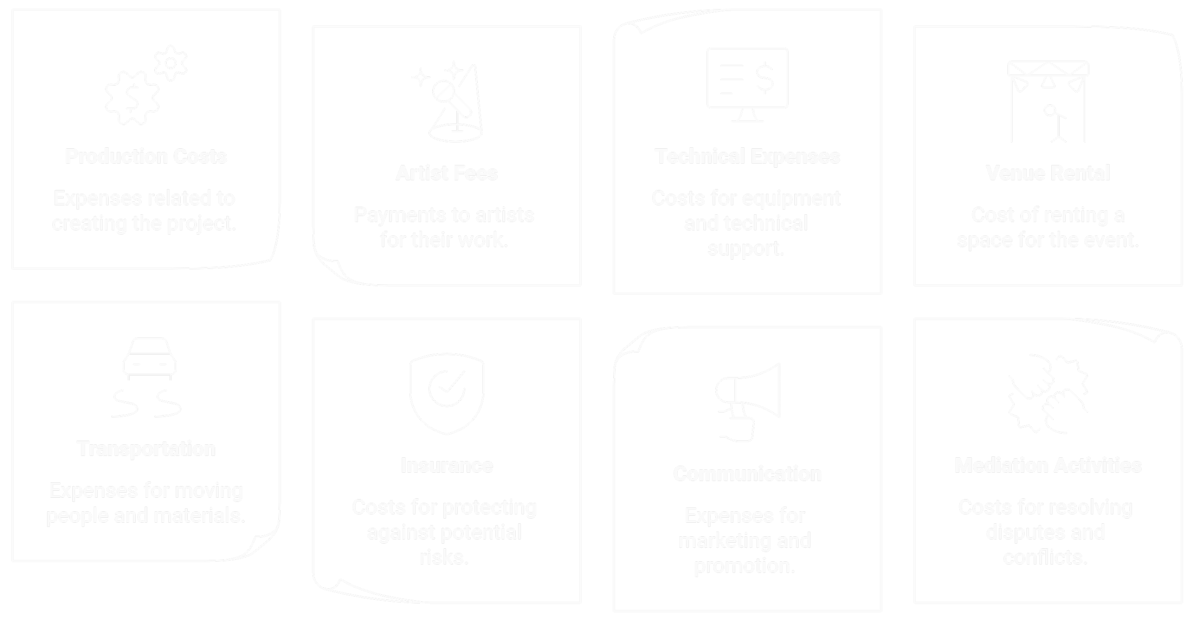
This includes estimating :
- production costs,
- artist fees,
- technical expenses,
- venue rental,
- transportation,
- insurance,
- communication,
- and mediation activities,
while integrating contingency funds to anticipate unforeseen costs. A well-structured budget functions as both a planning tool and a strategic decision-making framework .
Once established, budgets require continuous monitoring . Cultural Project Managers track expenses in real time , adjust allocations when necessary, and ensure that spending remains aligned with available resources.
Cultural Project Managers identify and mobilize diverse funding sources , including:
- public grants from local authorities, national ministries, and international cultural bodies,
- as well as private sponsorships,
- corporate partnerships,
- and philanthropic patronage.
Writing grant applications requires articulating a project’s cultural value, social impact, and feasibility while aligning proposals with funders’ priorities.
In the private sector, negotiating sponsorship agreements involves understanding brand strategy and proposing meaningful visibility and engagement opportunities.
Large-scale initiatives such as biennials, touring exhibitions, and international festivals depend on complex funding structures combining multiple sources of support.
Cultural Project Managers coordinate these financial frameworks, manage contractual obligations, and ensure that funders’ expectations are met.
At the conclusion of a project, they produce financial reports and justifications demonstrating how funds were allocated and assessing cultural and economic impact.
Through rigorous financial management , Cultural Project Managers help ensure the long-term sustainability of cultural institutions and initiatives.
Communication and Audience Engagement :
In today’s cultural landscape, communication has become a central strategic pillar of cultural project management. Beyond production and finance, Cultural Project Managers play an active role in shaping how projects are presented, understood, and experienced by the public.
In an increasingly competitive and digitally driven environment, cultural initiatives must rely on clear, targeted, and coherent communication strategies to remain visible and relevant.
Cultural Project Managers collaborate closely with communication, press, and digital teams to define project narratives. This involves:
- identifying key messages,
- adapting tone and language to different audiences,
- and ensuring consistency across communication channels.
Campaigns are designed with precise audience targeting in mind, whether addressing:
- local communities,
- international visitors,
- families,
- students,
- collectors,
- or professionals.

Effective audience engagement depends on the ability to convey cultural, artistic, and social value in an accessible and compelling manner. Digital communication plays a particularly significant role. Cultural Project Managers must understand how to use social media platforms strategically, selecting appropriate channels depending on objectives and audiences:
- Instagram and TikTok may highlight visual storytelling and behind-the-scenes content,
- Facebook can support event promotion and community engagement,
- while LinkedIn serves institutional and professional communication.
Creating effective content requires mastery of storytelling formats, visual identity, video production, editorial planning, and engagement metrics, as well as an understanding of platform-specific dynamics.
Traditional media relations remain essential. Writing press releases, preparing media kits, and organizing press previews or interviews are key tools for reaching journalists and opinion leaders. Press materials must clearly present a project’s concept, context, and significance while respecting journalistic standards.
Cultural Project Managers ensure that these resources are coherent, professional, and aligned with the project’s positioning, supporting accurate and impactful media coverage.
Through strategic communication and thoughtful audience engagement, Cultural Project Managers foster lasting relationships between cultural projects and their publics. Their role extends beyond promotion, aiming to create meaningful connections between culture and society while preserving artistic integrity.
Evaluation, Career Development, and Long-Term Impact :
After a project is completed, evaluation is a crucial final stage. Cultural Project Managers analyze:
- attendance figures,
- audience feedback,
- media coverage,
- and overall impact
to assess success and identify areas for improvement. This reflective process enables institutions to refine strategies and strengthen future projects. In publicly funded contexts, evaluation also ensures accountability and demonstrates cultural value to stakeholders and funders.
With experience, Cultural Project Managers can evolve into
- senior project management roles,
- heads of cultural programming,
- directors of institutions,
- or independent cultural consultants.
Some choose to specialize in fields such as
- contemporary art,
- heritage,
- performing arts,
- or international cultural cooperation,
further reflecting the sector’s growing specialization.
Combining creativity, strategy, financial expertise, and communication skills, this professional ensures that cultural projects are not only conceived but successfully realized, shared, and sustained.
In a rapidly evolving cultural sector, Cultural Project Managers play a vital role in shaping how culture is produced, experienced, and transmitted to diverse audiences, making them indispensable actors in the future of cultural industries.

 Download application form