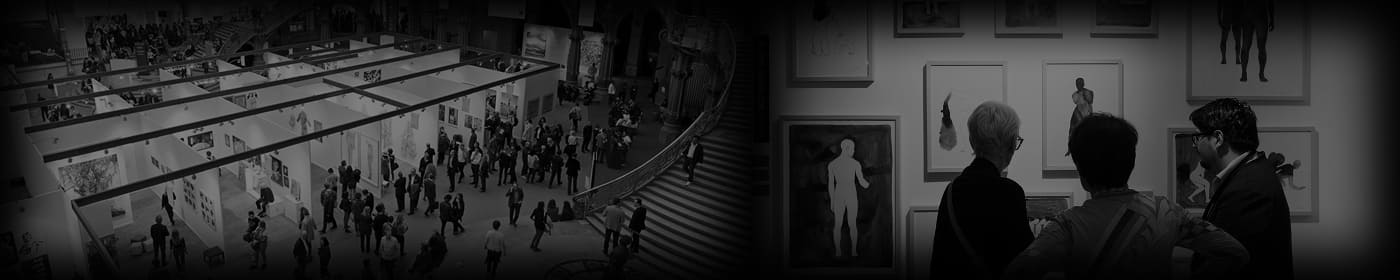
The art market is often perceived as exclusive or difficult to access. Yet in reality, it represents a vast international ecosystem offering diverse and evolving career paths.
From galleries and auction houses to art fairs, advisory firms, foundations, and digital platforms, the art market relies on highly skilled professionals who combine cultural knowledge with business expertise.
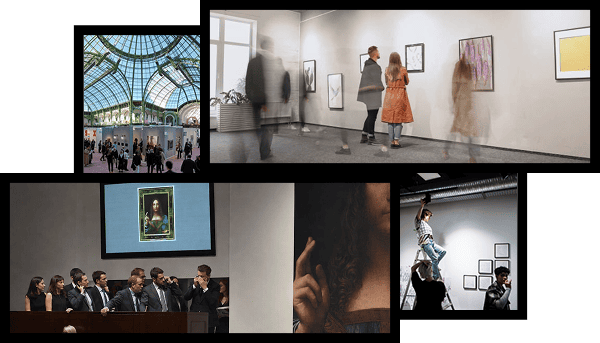
As the global art market continues to expand, new professional roles are emerging alongside more traditional ones, driven by:
- International collectors
- Online sales platforms
- Art investment strategies
- Cross-sector collaborations
For students interested in contemporary art, cultural strategy, and entrepreneurship, the art market offers dynamic and international career prospects.
Understanding the Structure of the Art Market
The art market is generally structured around two main sectors:
- Primary market: galleries representing artists and selling works for the first time
- Secondary market: auction houses and private resales of previously acquired works
Surrounding these are numerous complementary professionals: art advisors, art fairs, logistics companies, insurers, registrars, art finance specialists, and digital platforms. Each segment requires specific expertise, from curatorial sensitivity and relationship management to valuation, legal knowledge, and financial negotiation.
Careers in Galleries
Commercial galleries play a central role in representing artists, developing their careers, and connecting them with collectors and institutions.
Typical roles include:
- Gallery Director
- Sales Associate
- Artist Liaison
- Exhibition Coordinator
- Registrar
- Communications Manager
- Press Relations Manager
Professionals working in galleries must strike a careful balance between artistic credibility and commercial strategy, ensuring that the programme remains both critically relevant and financially sustainable.
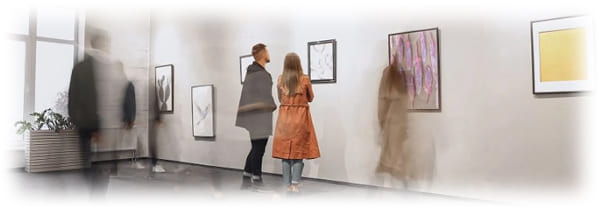
Their role extends across multiple functions:
- They conceive and manage exhibitions.
- They build and maintain relationships with collectors and institutions.
- They negotiate sales and consignments.
- They also coordinate participation in international art fairs, which requires strategic selection, logistical planning, and client outreach.
In addition, gallery professionals are increasingly involved in shaping the gallery’s digital presence, overseeing online viewing rooms, social media, and marketing campaigns to reach global audiences.
They manage artist relations, support career development, and supervise the logistical aspects of exhibitions, from artwork transport and installation to inventory management and compliance.
This multifaceted role requires a combination of curatorial sensitivity, market awareness, and strong organisational and communication skills.
Careers in Auction Houses
Auction houses operate in the secondary market and specialise in the valuation and sale of artworks and collectibles.
Typical roles include:
- Art auctioneer
- Specialist (by department: Contemporary Art, Old Masters, Design, etc.)
- Cataloguer
- Valuation Expert
- Client Development Manager
- Bid Department Coordinator
These professionals conduct in-depth provenance research to verify the history, authenticity, and legal status of artworks, a critical step in ensuring transparency and trust within the market.
They are responsible for evaluating and estimating artworks based on factors such as artist reputation, condition, rarity, and current market trends, often working closely with specialists across departments.
MBA in Contemporary Art: Sales, Display & Collecting
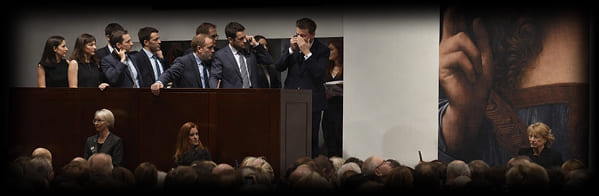
They liaise with collectors, dealers, and institutions to:
- Source consignments
- Build long-term client relationships
- Advise on sales strategies
Their role also involves managing high-profile auctions, from cataloguing and preparing sale materials to coordinating bidding processes and post-sale transactions.
This requires precision, discretion, and the ability to operate in fast-paced, high-value environments. Strong analytical skills, deep art historical knowledge, and acute market awareness are essential, as well as the ability to interpret evolving trends within the global art market.
Art Advisory and Art Consulting
Art advisors guide private collectors, corporations, and institutions in building and managing collections.
Typical roles include:
- Independent Art Advisor
- Corporate Art Consultant
- Collection Manager
- Art Investment Analyst
With the rise of art as an alternative asset class, art advisory and consulting have become increasingly sophisticated and strategic fields.
Advisors are no longer only guiding aesthetic choices; they play a key role in helping collectors, corporations, and institutions build coherent, high-value collections aligned with both cultural and financial objectives. This includes sourcing artworks, conducting due diligence, advising on acquisitions and deaccessions, and structuring collections over the long term.

A role that requires solid knowledge
As a result, these roles require strong financial literacy, including an understanding of market cycles, valuation mechanisms, and investment risk. Advisors must be capable of assessing the potential performance and liquidity of artworks, while also considering factors such as:
- Provenance
- Authenticity
- Legal frameworks
International market knowledge is essential, as transactions often take place across borders, involving different tax systems, regulations, and cultural contexts.
In addition, art consultants frequently work on corporate collections, public art commissions, and brand collaborations, requiring skills in project management, client relations, and strategic positioning.
The ability to combine cultural expertise with business acumen and discretion is fundamental, as advisors operate in highly competitive and confidential environments where trust and long-term relationships are key.
Art Fairs
Major art fairs have become strategic hubs of the global art market, connecting galleries, collectors, curators, and institutions. One prominent example is Art Basel, which operates editions in Basel, Miami Beach, Paris, and Hong Kong.
Events of this scale rely on:
- VIP Relations Managers
- Exhibitor Coordinators
- Partnership Managers
- Logistics and Operations Directors
- Communications and Press Officers
These roles combine event production, international business development, and high-level client relations, making art fairs one of the most dynamic environments within the global art market.
Professionals working in this sector are responsible for coordinating complex, large-scale events that bring together galleries, collectors, curators, institutions, and sponsors from around the world.
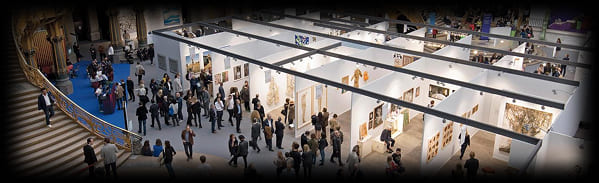
Their responsibilities include:
- Managing exhibitor relations
- Overseeing application and selection processes
- Ensuring that participating galleries are positioned effectively within the fair
They also handle VIP programming, cultivating relationships with top collectors and institutional clients through private views, curated tours, and exclusive events. In parallel, they develop partnerships with brands, sponsors, and media outlets, contributing to the financial and strategic success of the fair.
Operationally, art fair professionals coordinate logistics such as booth allocation, artwork transport, installation, and on-site management, often under tight deadlines and high expectations. They also work closely with communications and marketing teams to maximize international visibility, attract audiences, and reinforce the fair’s positioning within the global art calendar.
This fast-paced environment requires strong organisational skills, cultural awareness, and the ability to navigate an international network of stakeholders. It is a role that sits at the intersection of culture, commerce, and global exchange, offering significant exposure to the international art market and its key actors.
Digital Art Market
The digital transformation of the art market has accelerated significantly in recent years. Online viewing rooms, digital marketplaces, and blockchain-based transactions have reshaped buying behaviors.
The arrival of digital platforms
Auction houses such as Sotheby's and Christie's now operate major online sales alongside traditional live auctions.
Meanwhile, digital-native platforms have created roles in:
- Online Sales Strategy
- Digital Catalog Production
- Data Analytics
- NFT and Blockchain Advisory
- Digital Marketing for Art Platforms
The ability to navigate both physical and digital sales channels has become a major asset in today’s art market careers. As the market evolves, professionals are increasingly expected to operate across hybrid models that combine traditional gallery and auction formats with online platforms, virtual viewing rooms, and digital marketplaces.
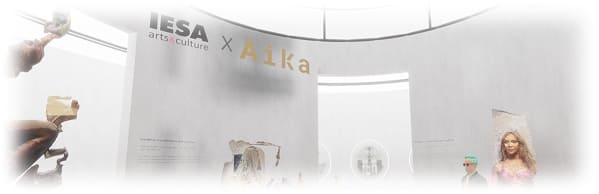
This shift requires a strong understanding of:
- E-commerce strategies
- Online client engagement
- Digital storytelling
- The ability to manage sales processes remotely
Professionals must be comfortable using data analytics tools to track collector behavior, optimize pricing strategies, and refine targeting for different audiences.
Digital cataloguing, content production, and platform management have also become essential components of the sales cycle.
In addition, the rise of blockchain technologies and NFTs has introduced new roles related to digital asset management, smart contracts, and intellectual property in virtual environments.
While this segment of the market continues to evolve, it highlights the growing importance of technological literacy within art market careers.
Ultimately, professionals who can seamlessly integrate physical and digital approaches, maintaining strong client relationships while leveraging digital tools for visibility and sales, are particularly well positioned to succeed in an increasingly global, connected, and technology-driven art market.
Skills and Career Perspectives in a Global Art Market
A successful career in the art market requires a combination of cultural expertise and advanced business skills, reflecting the increasingly global and interconnected nature of the sector.
Professionals are expected to demonstrate:
- In-depth knowledge of art history and contemporary artistic practices.
- The ability to analyse market trends and assess the value of artworks in a constantly evolving international landscape.
- Strong negotiation skills and client relationship management, particularly when working with collectors, galleries, and institutions.
- Legal and contractual awareness, including provenance, intellectual property, and cross-border regulations, is critical to ensuring secure and compliant transactions.
- Financial literacy is equally important, as professionals engage with pricing strategies, investment dynamics, and risk assessment in a market that now attracts both private collectors and institutional investors.
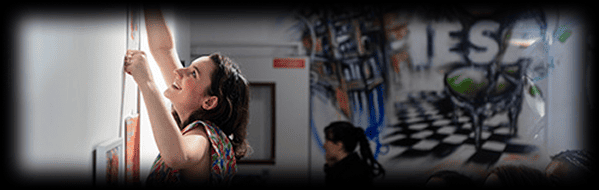
In today’s context, international networking capabilities and digital competencies have become indispensable. The expansion of online sales, hybrid viewing experiences, and data-driven platforms requires professionals to operate seamlessly across physical and digital environments.
Major auction houses such as Sotheby's and Christie's continue to develop online auctions and private digital sales, while global fairs such as Art Basel integrate digital viewing rooms and data-led client strategies. At the same time, the rise of blockchain technologies and digital art platforms has introduced new considerations around digital assets and ownership.
This reflects a broader transformation of the art market into a truly global and evolving sector, generating tens of billions of euros in annual sales and spanning major hubs such as Paris, London, New York, Hong Kong, and Dubai. International collectors, cross-border transactions, art fairs, and online platforms continue to expand their reach, while corporations increasingly integrate art into branding strategies and corporate collections.
In parallel, the development of art investment funds and art-secured lending mechanisms has created new professional pathways at the intersection of art and finance. The art market today is no longer limited to the buying and selling of artworks, it is a sophisticated international industry combining culture, finance, law, logistics, technology, and entrepreneurship.
Launching a Career in the Global Art Market
Preparing for a career in the art market requires both academic knowledge and practical experience within real professional contexts. At IESA International, students benefit from practice-oriented training designed to reflect the realities of the international art market.
Through professional projects, internships, industry partnerships, and direct exposure to art fairs, galleries, and auction houses, they develop a strong combination of theoretical understanding and operational expertise.
Programs such as the MBA in Contemporary Art equip students with the strategic, managerial, and analytical skills needed to:
- Navigate both primary and secondary markets
- Understand valuation mechanisms
- Build professional networks across global art ecosystems
Career opportunities in the art market are diverse, international, and continuously evolving. Whether working in galleries, auction houses, advisory firms, art fairs, or digital platforms, professionals in this sector combine cultural expertise with business strategy. For those passionate about contemporary art and driven by entrepreneurship, international relations, and market dynamics, the art market offers a stimulating and forward-looking professional landscape.

 Download application form