Milan: a journey through art with the Bachelor in Art Management
Three days, five centuries of artistic innovation. Students from the IESA Bachelor in Art Management travelled to Milan for their study trip. From the Renaissance to the avant-garde and on to contemporary art, they tested what they learn in class against the works themselves, in the places that preserve them and bring them to life.
First steps in the heart of the city
The trip began in Piazza del Duomo. Milan Cathedral, built over several centuries, offered a first lesson: a monument that tells the story of the city as much as the story of architecture.
A few steps away, the Galleria Vittorio Emanuele II revealed another side of Milan. Its glass vaults and mosaics reflect the ambition of a modern capital, where commerce and culture meet.
Pinacoteca di Brera: face to face with the Renaissance masters
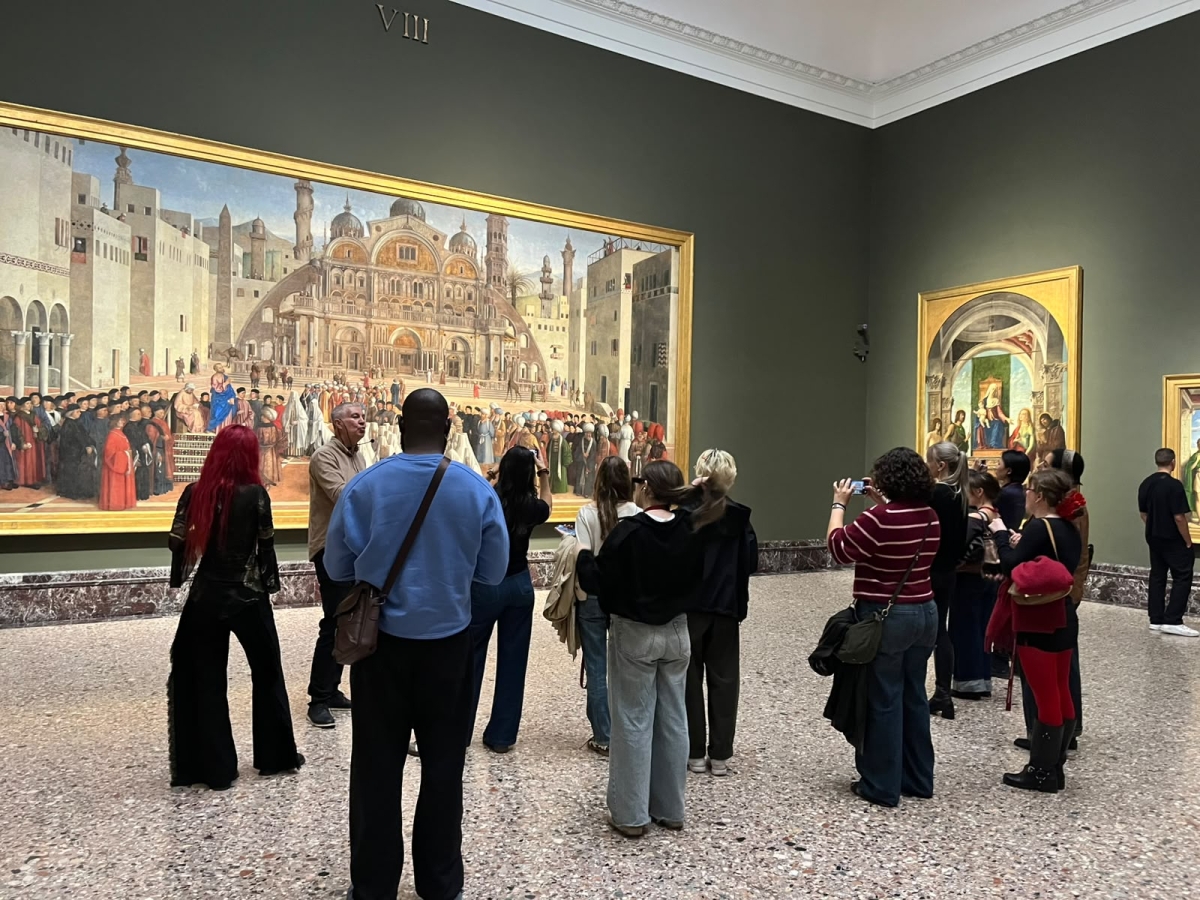
At the Pinacoteca di Brera, two works held the group's attention. Andrea Mantegna's Lamentation over the Dead Christ is striking for its daring foreshortening: the body is seen from the feet, in a perspective that still feels remarkably modern.
Nearby, Giovanni Bellini's Pietà moves the viewer in another way, through restrained emotion and light. Seeing the two paintings side by side shows how two artists linked by family invented two ways of depicting grief.
Illusions and hidden masterpieces
The Church of Santa Maria presso San Satiro held one of the trip's great surprises. With no room to build a choir, Bramante created the illusion of one: a false choir in perspective, barely a metre deep, that fools the eye from the nave.
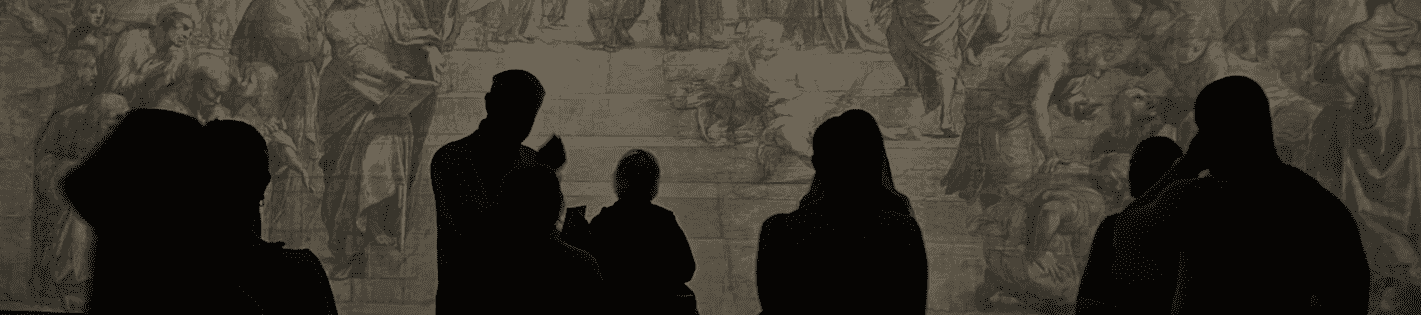
The visit continued at the Pinacoteca Ambrosiana. There, students discovered masterpieces by Caravaggio and Raphael's preparatory cartoon for The School of Athens, a rare document that opens a window onto the making of one of the Vatican's great frescoes.
Museo del Novecento and the Futurist movement
A change of century at the Museo del Novecento, dedicated to twentieth-century Italian art. The museum holds one of the great collections of Futurism.
Standing before works by Giacomo Balla, Umberto Boccioni and their fellow artists, students explored how this movement revolutionised the representation of movement, speed and modern life.
From Arte Povera to Fondazione Prada
The journey then led to the radical experiments of Arte Povera. Jannis Kounellis, Michelangelo Pistoletto and Mario Merz brought humble, natural and industrial materials into their work, questioning what a work of art can be.
Next came contemporary art at Fondazione Prada, with works by Jeff Koons, Mario Merz, Louise Bourgeois, Mona Hatoum and Fischli and Weiss. For future professionals of the art market and cultural institutions, the foundation is also a case study to understand how a private institution builds a collection in an amazing, architecture by Rem Koolhaas and put together an ambitious educational programme.
The grand finale: Leonardo's Last Supper
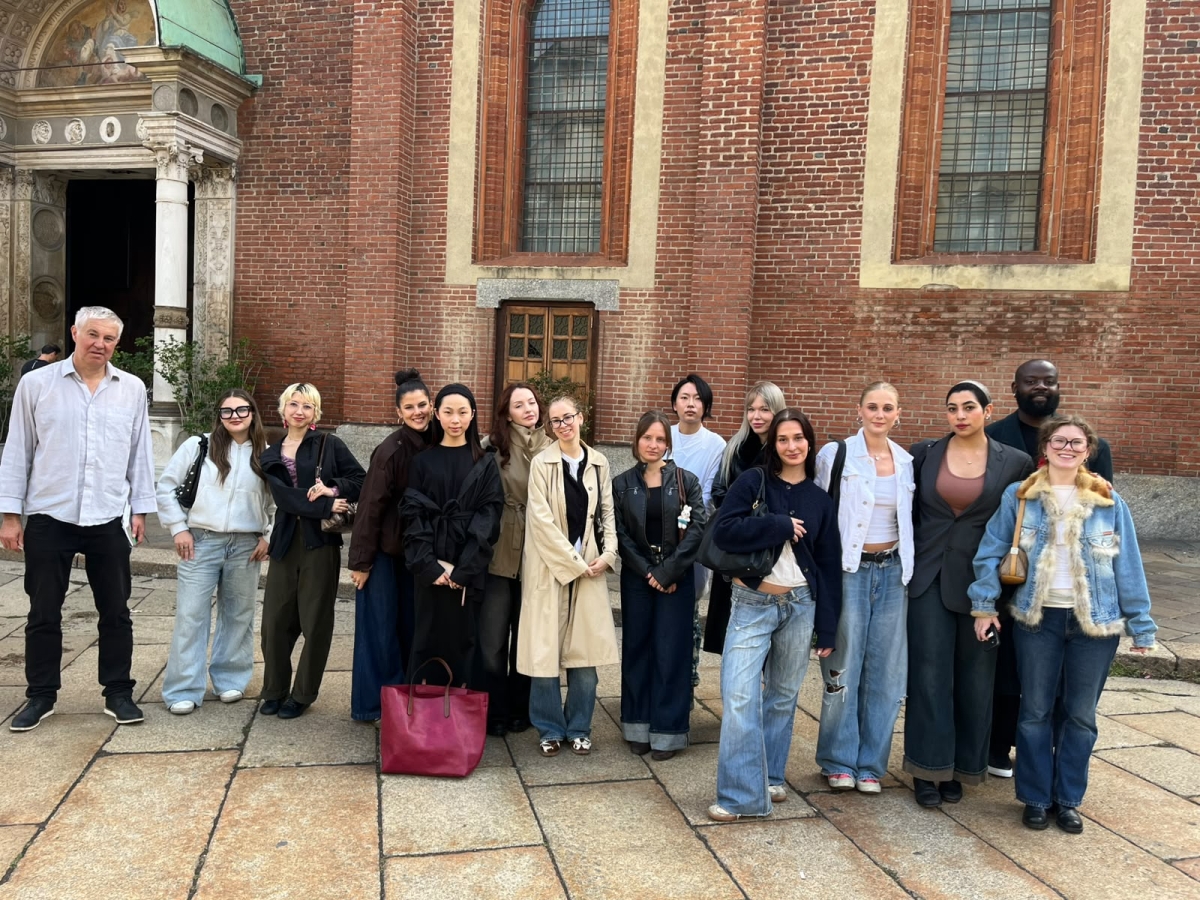
The trip ended at Santa Maria delle Grazie, before Leonardo da Vinci's timeless masterpiece, The Last Supper. A few minutes in front of the work are enough to feel its undiminished power: the tension of the moment, the composition, every gaze drawn towards Christ. A fitting finale to this journey across the centuries.
Learning in front of the works
This study trip reflects IESA's approach to teaching: training the future players of the art world through direct contact with works, places and institutions. From Mantegna to Mona Hatoum, students came back from Milan with a sharper eye and a concrete understanding of how art is preserved, exhibited and passed on.
#Milan #ArtHistory #ArtAndCulture #RenaissanceArt #Futurism #ArtePovera #ContemporaryArt #PinacotecaDiBrera #MuseoDelNovecento #FondazionePrada #TheLastSupper

 Download application form